Para SwimmingFree
Kocaeli 2026: Ten world records – and Para Swimming is becoming increasingly data-driven
Kocaeli 2026: Ten world records – and Para Swimming is becoming increasingly data-driven
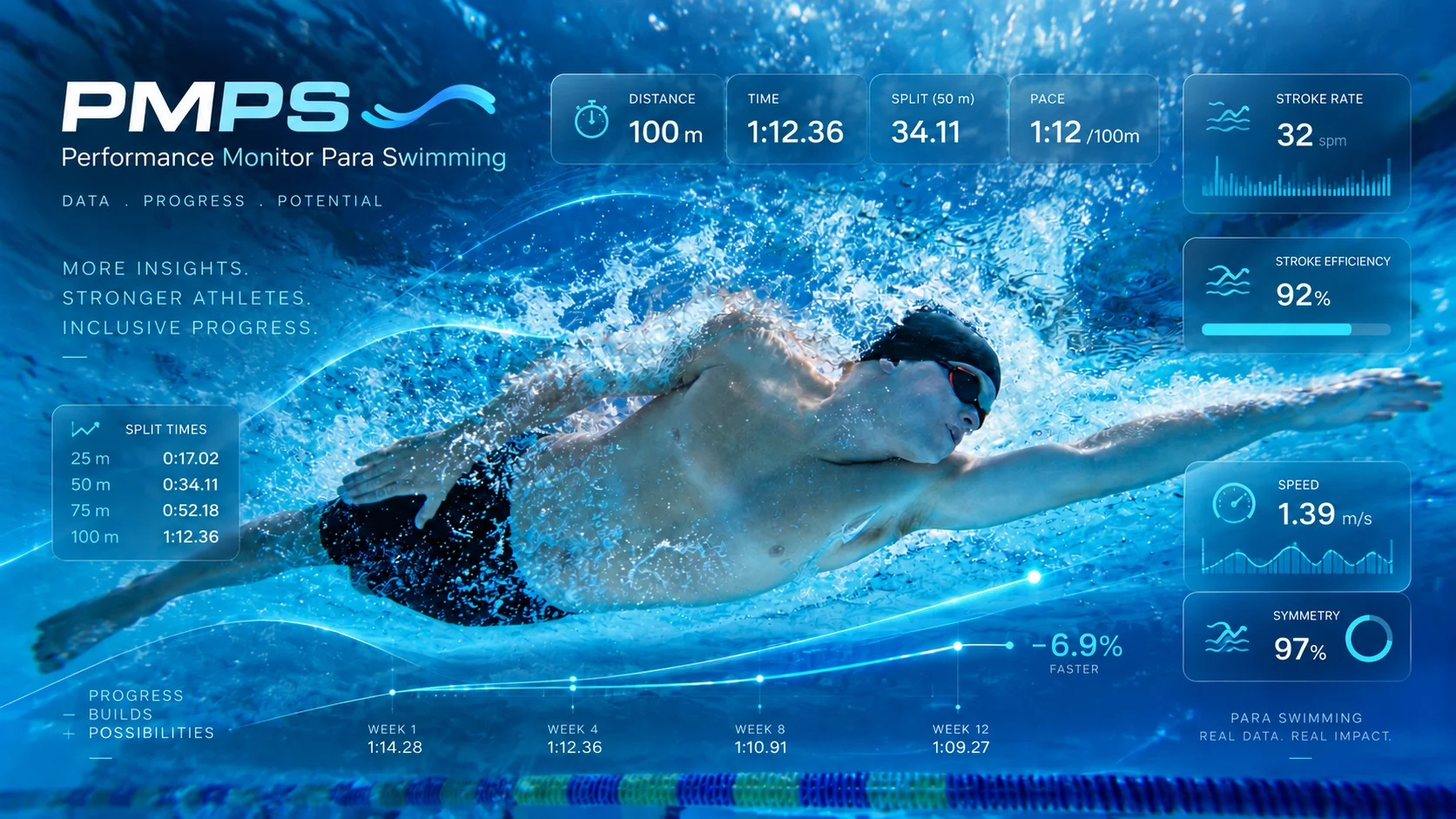
The European Para Swimming Championships in Kocaeli delivered more than medals. Ten world records and 17 European records show how rapidly performance is developing within individual classes. These changes can now also be analysed over the long term.
MastersFree
310 world records in one year: How fast are you allowed to get older?
More than 150,000 analysed results and 310 new Masters world records in 2025 alone: international Masters data show impressively how long athletic performance can be maintained.
ResearchFree
10 finalists instead of 8 – World Aquatics tests a new format
Eight lanes and eight finalists have been part of swimming for decades. At the 2026 Short Course World Championships in Beijing, that principle will be broken: World Aquatics is testing finals and semifinals with ten swimmers.
TechniqueFree
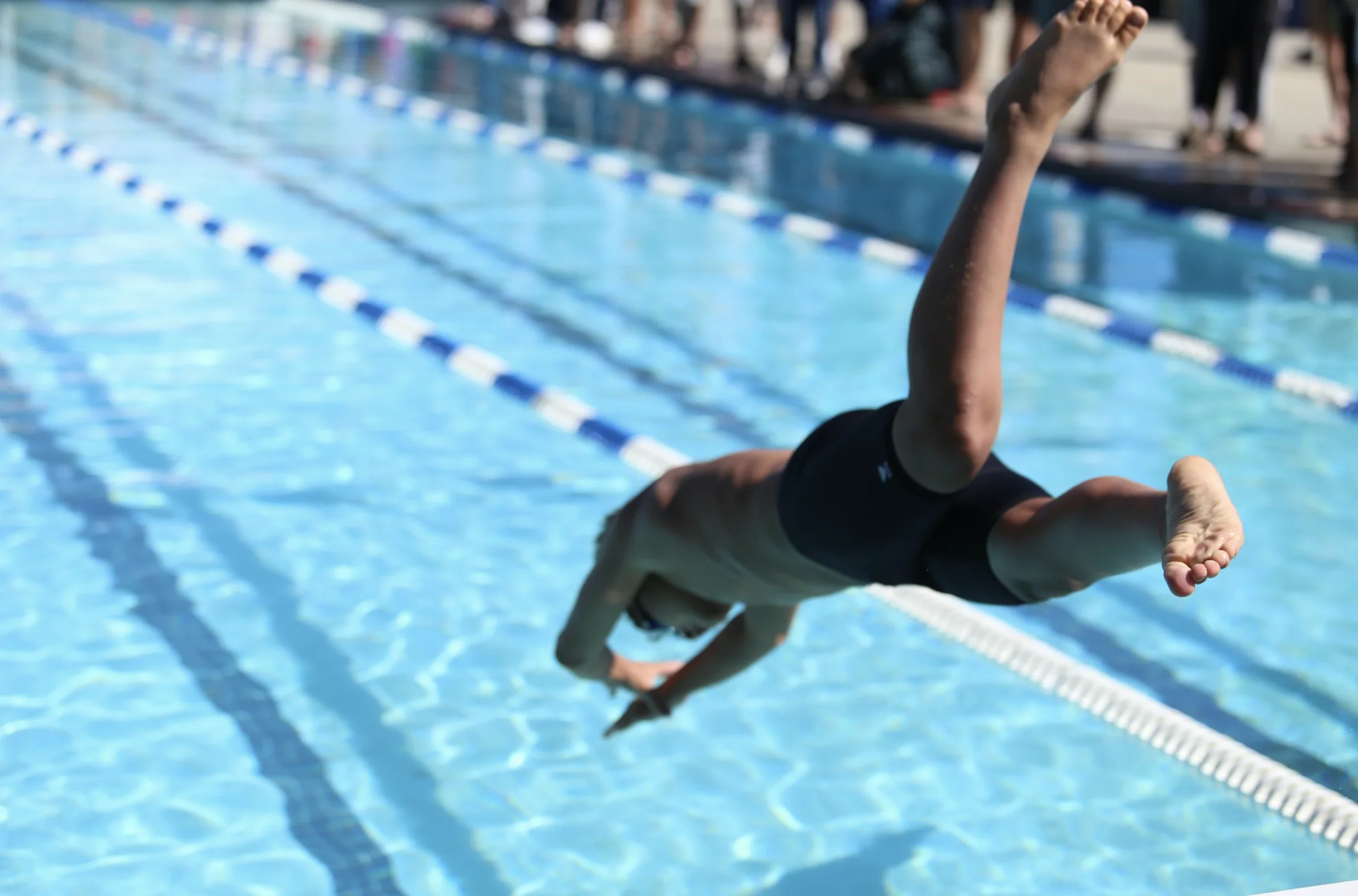
100 metres freestyle: The key phases of a fast race
A fast 100-metre race is not created by a single factor. Start, underwater phase, swimming speed and turn have to work as one system.
TechniqueFree
Start, turn or swimming speed – what really decides the race?
A large race analysis shows which race phase has the greatest influence on final time at each distance.
TrainingFree
Altitude training without mountains: Does hypoxia really make swimmers faster?
A meta-analysis involving 182 competitive swimmers finds a small but significant performance effect—without a clear improvement in classic VO₂max.
TrainingFree
Responders and non-responders: Why the same strength training does not work for everyone
Twenty-seven swimmers completed six weeks of maximal-strength, plyometric or normal training. Individual responses differed much more than a group average would suggest.
TrainingFree
Plyometrics in youth swimming: Promising—but the data are less clear than expected
A new meta-analysis in adolescent swimmers shows positive tendencies for explosive strength and sprint performance, but warns against drawing conclusions too quickly.
TrainingFree
Respiratory muscle training: Stronger breathing, but no miracle cure for sprinting
A meta-analysis of 14 studies examines what inspiratory and expiratory respiratory muscle training actually achieves in competitive swimmers.
TrainingFree
Core training in swimming: Eight top coaches agree—and something is still missing
An unusual study asked eight experienced Chinese swimming coaches about the role of the trunk. Agreement was high, but the scientific evidence supporting their methods was much more limited.
TechniqueFree
More force is not automatically faster: Why arm coordination matters
A new study shows that greater propulsive force in freestyle only truly makes a swimmer faster when it matches the arm coordination.
TechniqueFree
Breaststroke kick at full speed: When the movement itself changes
Nine national-level breaststroke swimmers were analysed in three dimensions. At maximal speed, not only velocity but also the organisation of the kick changed.
TechniqueFree
Underwater dolphin kick: What better swimmers coordinate differently
A new biomechanical study compares joint movements and segmental coordination during the underwater dolphin kick across different performance levels.
TechniqueFree
How long should you glide? New data on the ideal transition phase after start and turn
A recent force analysis examines at what speed the transition from streamlined gliding to dolphin kick and then to freestyle becomes advantageous.
TechniqueFree
The myth of the longest possible stroke
A new study on stroke length, stroke rate and glide time shows why a longer stroke is not automatically more efficient or faster.


