ResearchFree
10 finalists instead of 8 – World Aquatics tests a new format
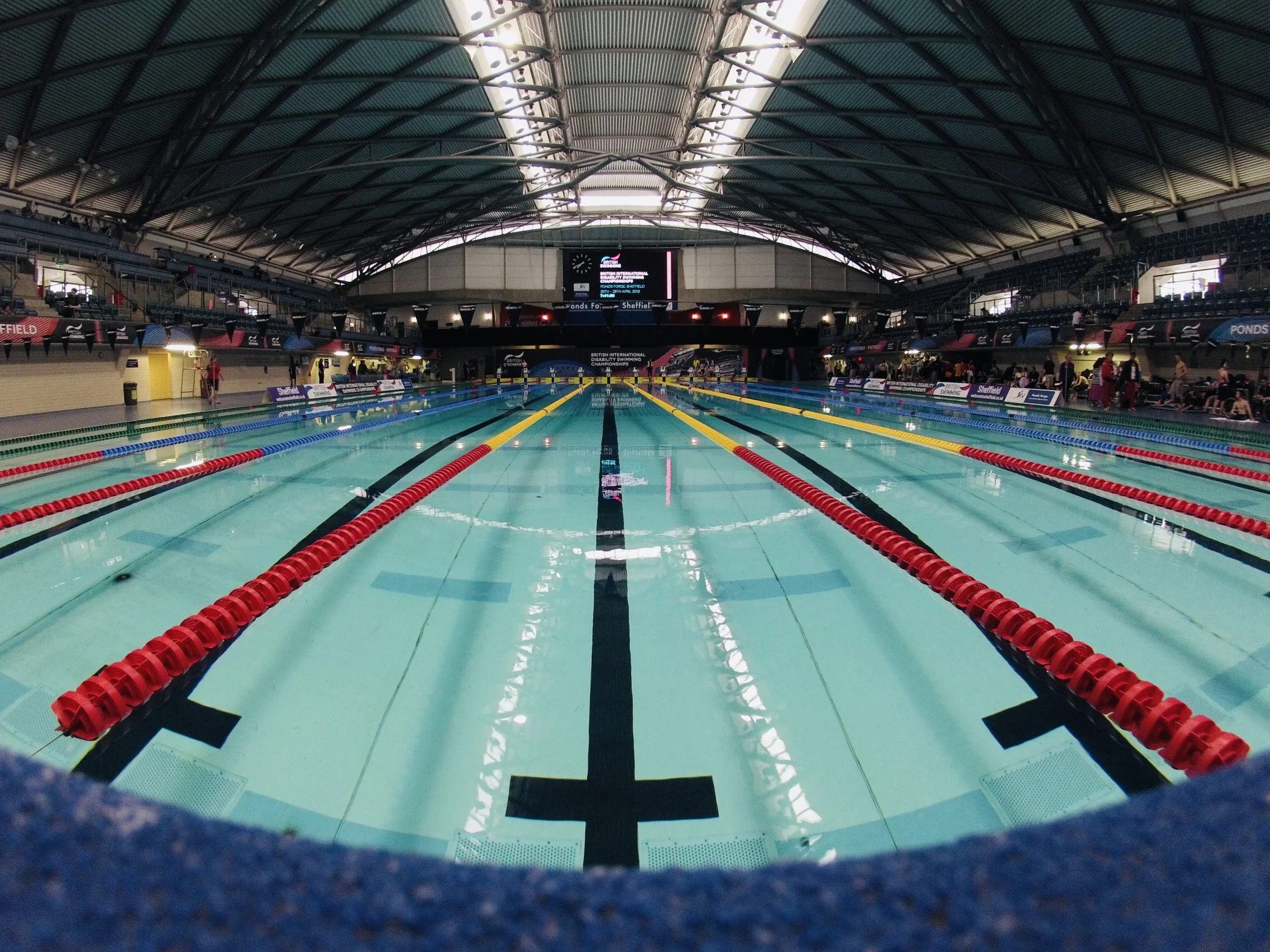
Eight lanes and eight finalists have been part of swimming for decades. At the 2026 Short Course World Championships in Beijing, that principle will be broken: World Aquatics is testing finals and semifinals with ten swimmers.
ResearchFree
The swimsuit as a power plant: A sensor generates its own electricity while swimming
In 2026 researchers presented a triboelectric sensor that monitors movement in water while generating its electrical energy from the movement itself.
ResearchFree
Can AI automatically measure swimming technique from video?
A new human-pose-estimation study attempts to automate biomechanical swimming analysis—despite an environment that is particularly challenging for computer vision.
ResearchFree
Heart rate directly in the swim goggles: How accurate is it really?
A validation study compared optical pulse measurement at the temple with a swimming chest strap—and found surprisingly good agreement for average heart rate.
ResearchFree
Pressure sensors on the hand: Can the palm predict sprint performance?
New wearable research measures forces at the hand in three spatial directions and investigates which of them are associated with freestyle sprint performance.
ResearchFree
Can explainable AI detect overload in swimmers?
Fourteen elite swimmers were monitored across three intensive training cycles using HRV, sleep, motivation and performance data—then Explainable AI searched for patterns.
ResearchFree
AI in swim training: What can ChatGPT do?
Artificial intelligence can create training plans—but how good are those plans really?
ResearchFree
Energy availability and sleep in swimmers
Nutrition and sleep are often considered separately in elite sport. In reality, the two can be closely connected.
ResearchFree
1,825 studies on swimming sports medicine
A new bibliometric analysis provides, for the first time, a broad picture of international swimming sports medicine.


