


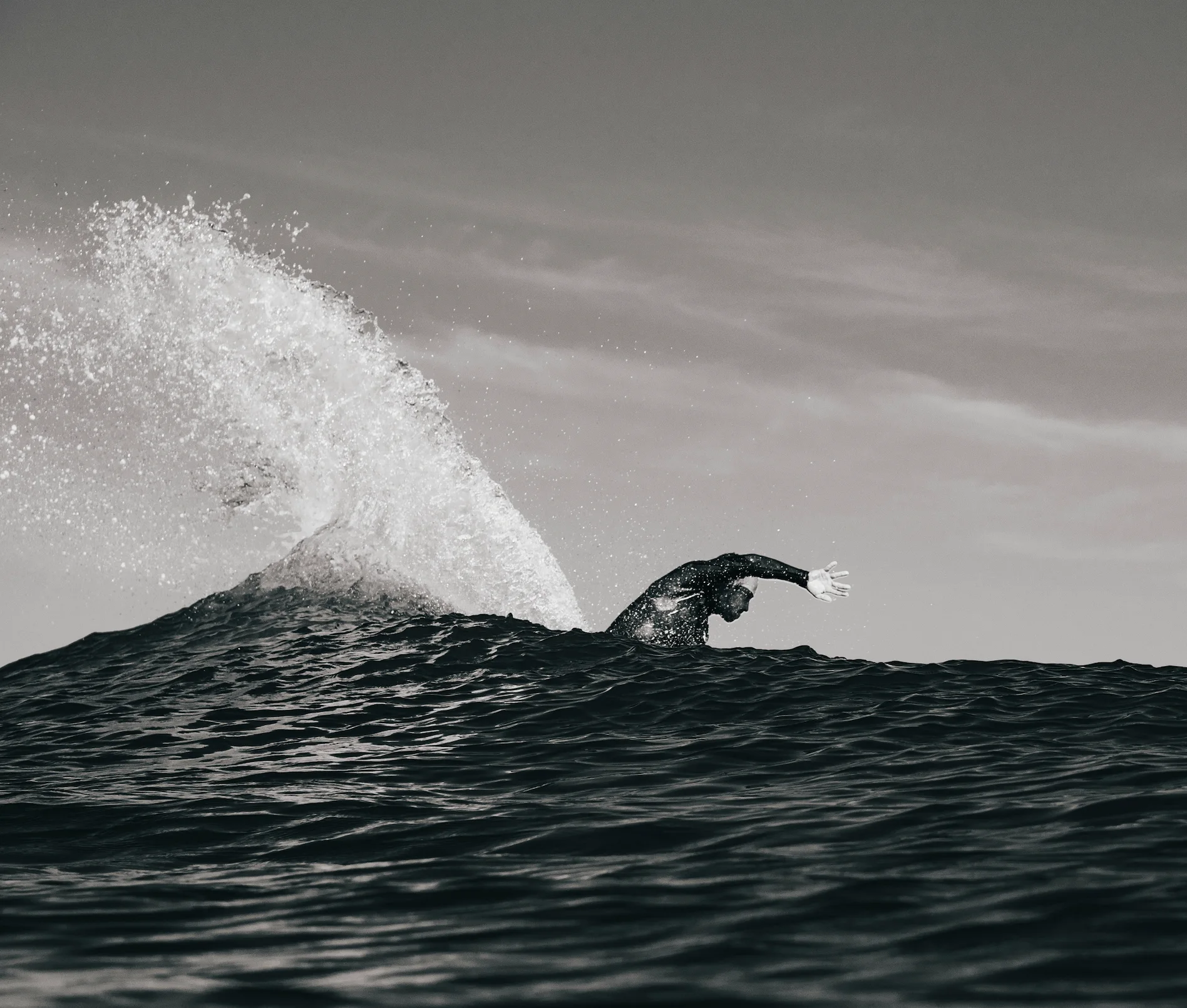
The series began in Somabay, Egypt, then travelled to Ibiza, Golfo Aranci in Sardinia and finally Setúbal in Portugal.
The venues therefore span the Red Sea, the Mediterranean and the Atlantic.
More than endurance
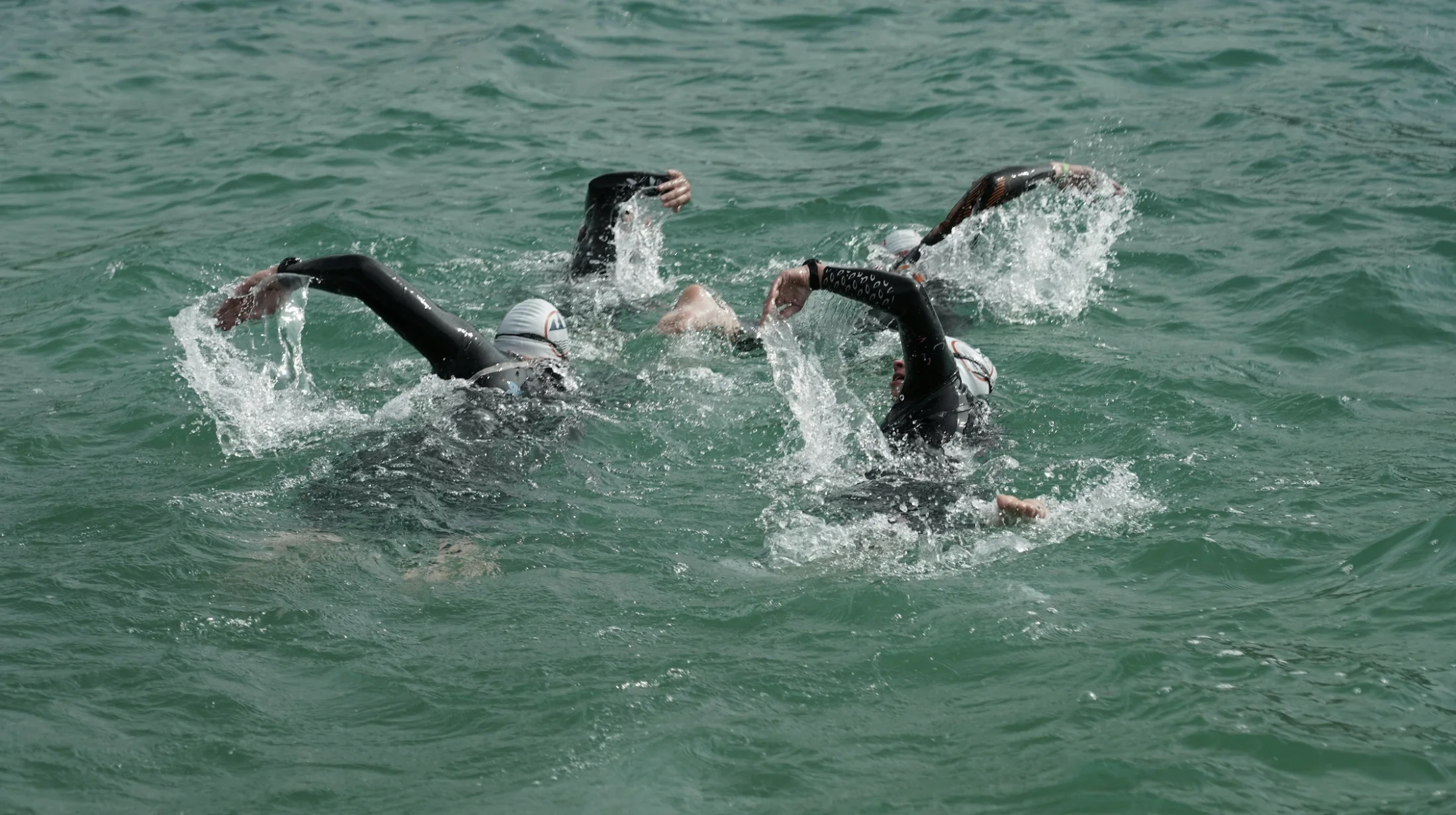
The different venues show what modern open-water swimming demands: currents, waves, sighting, battles for position and tactical decisions.
For coaches, this means preparation cannot consist only of long swimming sets. Race simulation, sighting and pack behaviour also belong in training.
Four venues, four different demands
The selection of World Cup venues clearly illustrates why open water is a discipline in its own right. Water conditions, temperature, currents, waves and course layout can differ substantially from one venue to another.
The optimal race strategy changes with them. In calmer water, sustaining a high and even speed may matter more, while in currents and waves positioning and tactical decisions can become more important.
For athletes, this means a successful open-water profile has to be much broader than endurance capacity alone.
Bring training closer to competition
Preparation should therefore regularly include situations that are unusual in the pool: swimming close to other athletes, sighting forward, manoeuvring around buoys and changing pace from within a pack.
Feeding and race duration also matter over longer distances. What works easily in training can become more difficult under race stress and should therefore be practised beforehand.
Pool swimmers moving into open water in particular need to learn that the fastest individual swimming speed does not automatically produce the best race result. Poor energy management or an unfavourable position can cost crucial metres despite excellent conditioning.
SCIENTIFIC SOURCE
https://www.worldaquatics.com/series/205/world-aquatics-open-water-swimming-world-cup-2026