


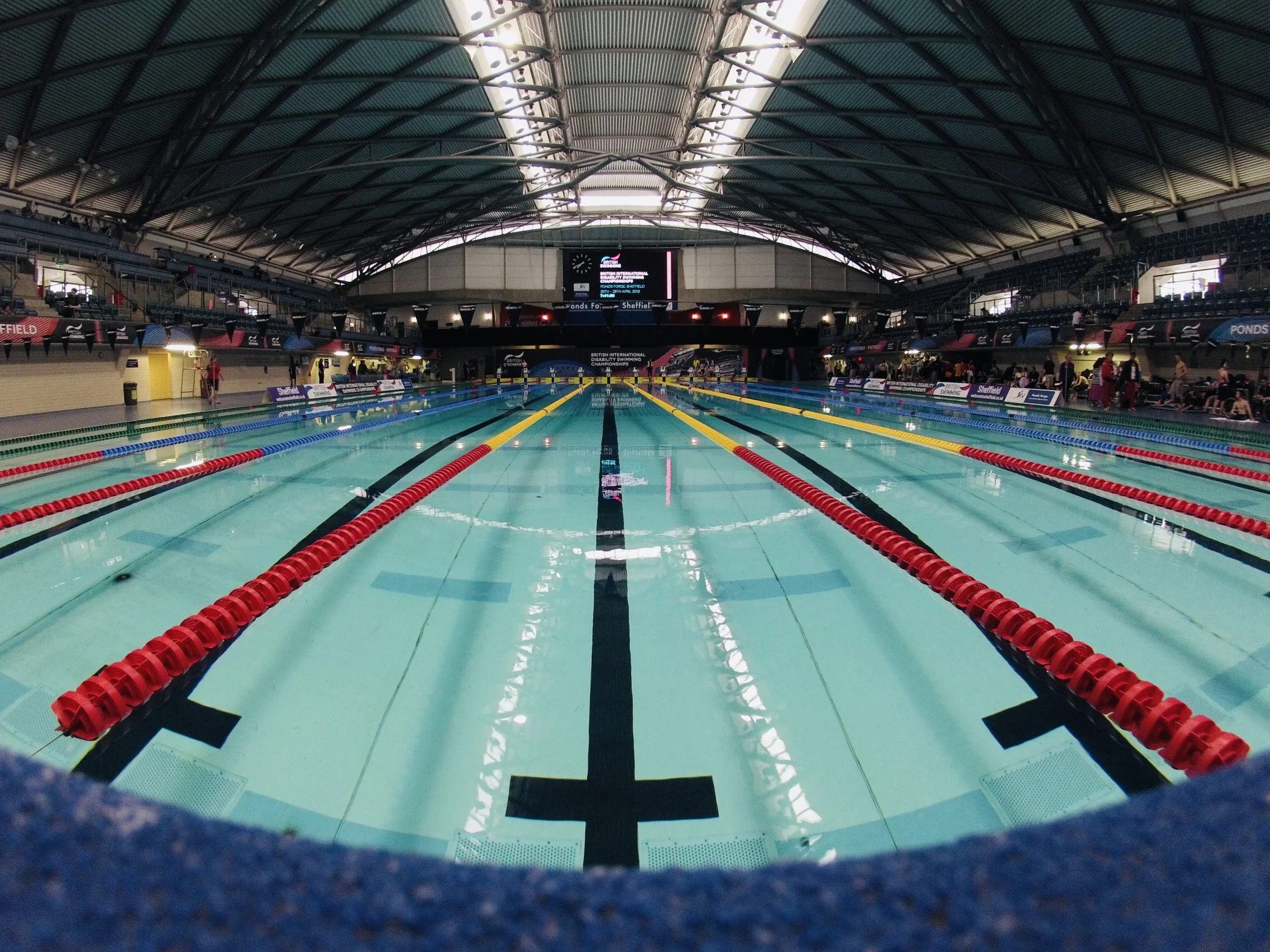
Eight lanes.
Eight finalists.
For generations of swimmers, this combination has been as natural a part of competition as the starting block, lane rope and touchpad.
At the end of 2026, that could change.
Ten instead of eight
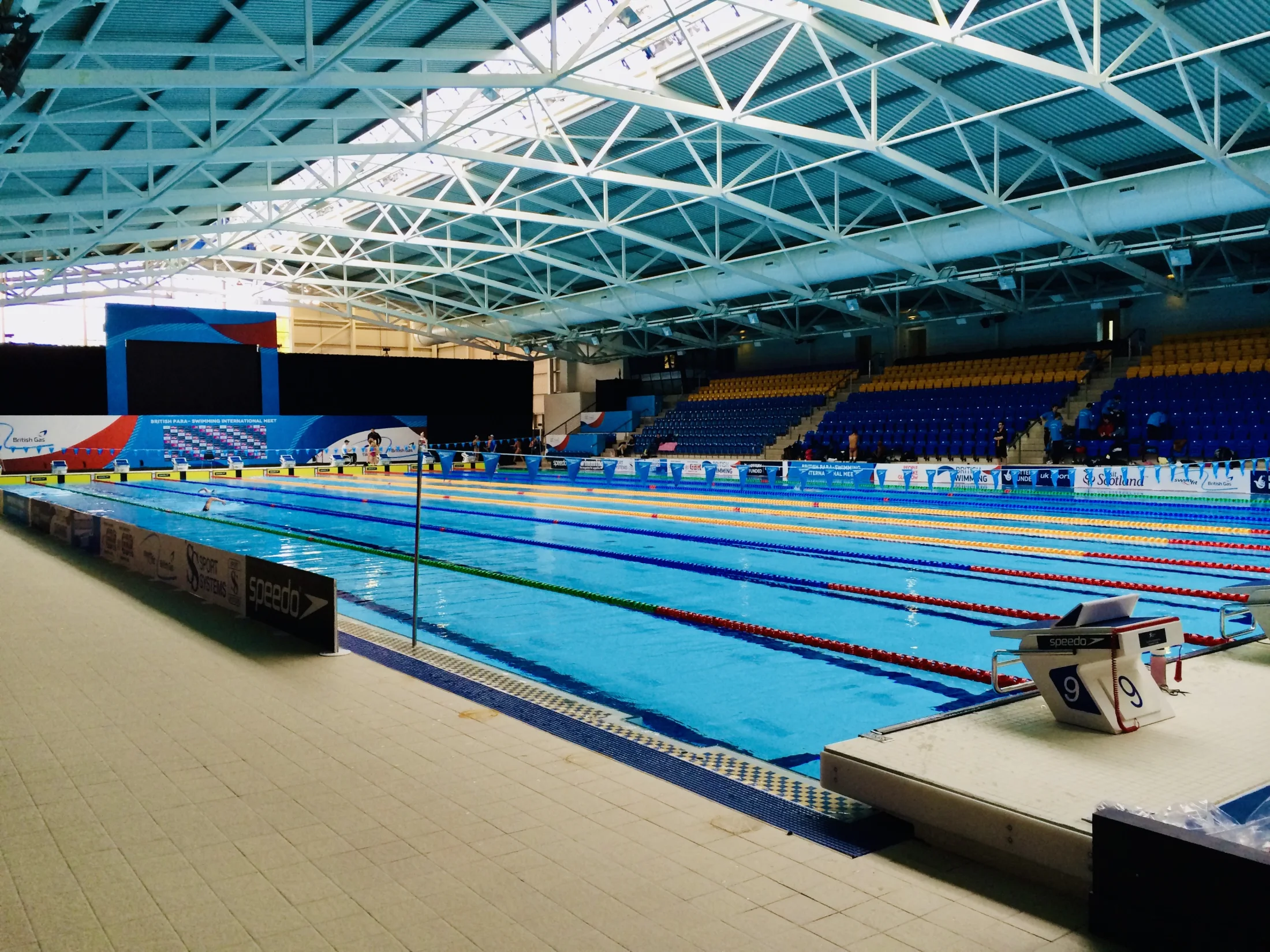
World Aquatics will test a new competition format at the Swimming Championships on the 25-metre course in Beijing.
In individual events up to and including 400 metres, semifinals and finals are to be contested by ten swimmers instead of the previous eight.
Relays and longer distances will continue to use the classic eight-lane system.
The Short Course World Championships will take place from 1 to 6 December 2026 at the Beijing National Aquatics Centre—the famous Water Cube.
Ninth place suddenly becomes a final place
From a sporting perspective, the additional lane changes more than might appear at first glance.
Until now, ninth place after a semifinal has meant:
The competition is over.
In the new system, ninth place means:
World Championships final.
This also changes the significance of the outside lanes.
Two additional athletes get the opportunity to race directly against the world elite in the final.
Across an entire World Championships, that creates numerous additional final places.
Why World Aquatics is experimenting
The ten-lane system is part of a broader trial.
World Aquatics wants to give more athletes and more nations opportunities to be represented in the key stages of major international competitions.
A new wildcard system is also being tested around the 2026 Swimming World Cup.
Athletes can earn additional opportunities to qualify for Beijing through the so-called Silk Road Tour.
Does it also change the race?
It will be particularly interesting to see whether race behaviour changes.
Swimmers in the outside lanes have less direct visual contact with their competitors.
In sprint events, that may allow them to shape the race more strongly around their own rhythm.
At the same time, the field becomes wider.
With ten athletes, the probability increases that very different race strategies will be visible at the same time.
Whether that actually produces more exciting finals will become clear in Beijing.
An old certainty becomes an experiment
Swimming is one of the sports in which fundamental competition formats have remained remarkably stable for decades.
That is exactly why a seemingly small change suddenly appears significant.
The swimmers do not get faster.
The pool does not get shorter.
There are simply two more people on the starting line.
And perhaps that will change a World Championships final more than one might initially expect.
Further information
World Aquatics – announcement of the ten-lane trial:
https://www.worldaquatics.com/news/4511315/world-aquatics-to-trial-new-concepts-and-add-opportunities-for-athletes
Short Course World Championships Beijing 2026:
https://www.worldaquatics.com/competitions/5052/world-aquatics-swimming-championships-25m-2026